Insights & Wellness
Discover articles, tips, and real stories that inspire health, vitality, and balance.
💨 Oxygen is life — but ozone takes it further.
With 15+ years of experience and 1,300+ patients treated, Ozone 369 leads the way in safe, evidence-based ozone therapy.
From boosting oxygen efficiency to modulating the immune system, ozone therapy helps restore balance from the inside out.
⚡ Curious how it works?
👉 Dive into our latest blog and discover why ozone is one of the most trusted integrative therapies today.
Detoxification and Heavy Metals
Detoxification and Heavy Metals: How the Body Truly Eliminates Toxins Through Integrative Medicine
We live surrounded by toxins. From pesticides in food to heavy metals in water, personal care products, and environmental pollution. Our bodies face a toxic burden that, if it exceeds their natural capacity, can manifest as chronic inflammation, fatigue, hormonal imbalance, immune dysfunction, or accelerated aging.
The good news is that the body is designed to detoxify itself. And from the perspective of Integrative and Bio-Regulatory Medicine, detoxification is understood as a continuous physiological process—not a trend. From the lens of Biohacking, we aim to activate these natural pathways to enhance energy, mental clarity, and longevity.
The Body’s Natural Detox Pathways: A Biological System Working 24/7
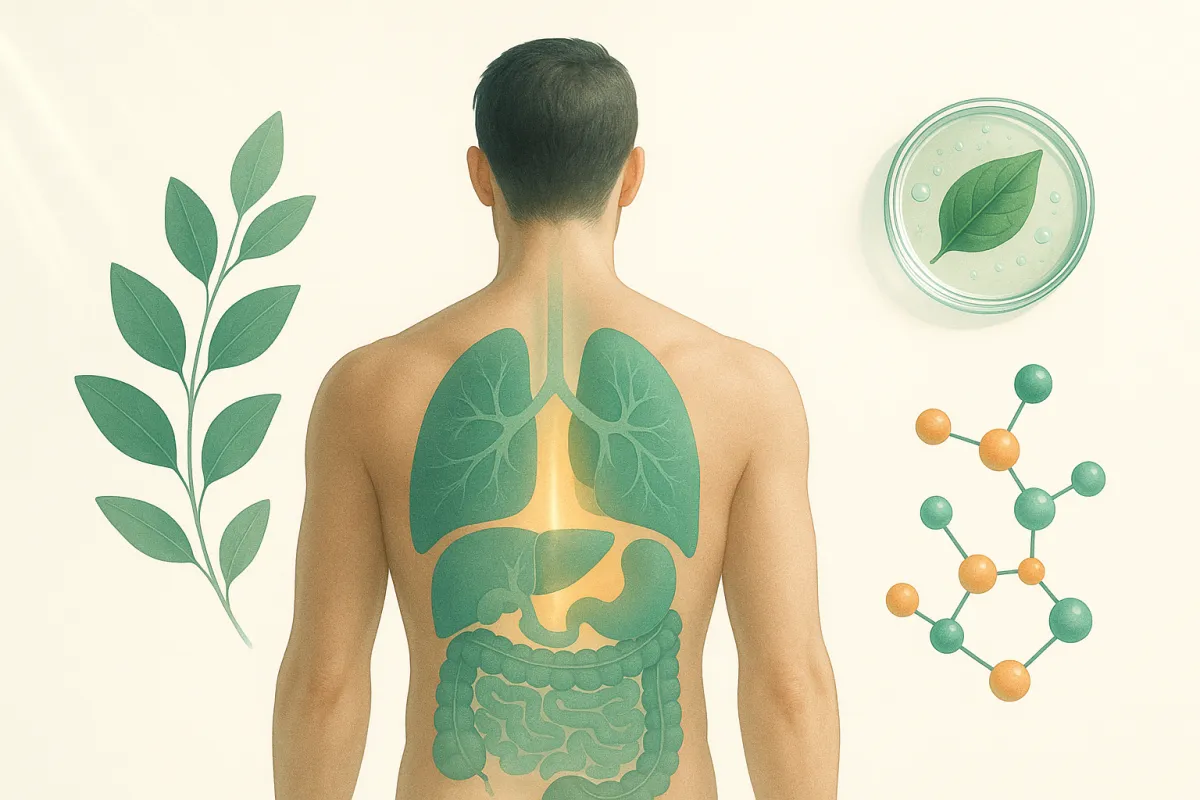
Detoxification does not occur in a single organ. It is a biological choreography involving the liver, gut, kidneys, lungs, skin, lymphatic system, and—most importantly—our cells and mitochondria.
1. The Liver: The Master Regulator
The liver transforms fat-soluble toxins into safe, excretable molecules through two phases:
Phase I: breaks down large toxins and makes them more reactive.
Phase II: neutralizes these intermediates and converts them into water-soluble compounds ready for elimination.
This process depends on antioxidants like glutathione, vitamins, amino acids, and a healthy metabolic state.
2. Kidneys: Precision Filtration and Excretion
The kidneys eliminate water-soluble toxins processed by the liver.
Here the body excretes chemical toxins, inflammatory metabolites, medication residues, and chelated metals during supervised chelation therapy.
3. The Gut: Where Much of Detoxification Actually Happens
The gut eliminates toxins bound to fiber, bile, and adsorbent compounds.
A healthy microbiome deactivates toxins, lowers inflammation, and prevents reabsorption.
Constipation or dysbiosis leads to enterohepatic recirculation—meaning the body reabsorbs toxins it already tried to eliminate.
4. Lungs and Skin: Complementary Detox Routes
The lungs expel volatile compounds and oxidative byproducts.
The skin excretes small amounts of toxins and heavy metals through sweat.
Exercise, heat exposure, and sauna greatly support these routes.
5. Lymphatic System: The Body’s Deep Drainage Network
The lymphatic system transports cellular waste toward organs of elimination.
Movement, hydration, and manual stimulation keep it active and efficient.
6. Intracellular Detox: Where It All Begins
Mitochondria manage oxidative stress, while autophagy recycles damaged proteins and cellular structures.
Intracellular glutathione neutralizes free radicals and assists in releasing stored metals from tissues.
Heavy Metals: How They Are Actually Removed from the Body
Heavy metals—mercury, lead, arsenic, cadmium, aluminum—accumulate in the brain, bones, kidneys, liver, and adipose tissue.
The body cannot break them down. It can only mobilize them, bind them, and excrete them.
This requires two key elements:
Natural biotransformation pathways (glutathione, metallothioneins, antioxidants).
Oral or intravenous chelation, when clinically indicated and medically supervised.
Chelation: A Therapeutic Tool When Used Correctly
Chelation is a medical process in which specific agents bind chemically to heavy metals, facilitating their safe removal from the body.
There are two main approaches:
1. Oral Chelation
Oral agents help gently bind or support the elimination of heavy metals.
These may include:
DMSA
Alpha lipoic acid (when used correctly)
Modified citrus pectin
Clinical zeolite
Chlorella and spirulina
Activated charcoal, bentonite, prebiotic fibers
Oral chelation is slower, gentler, and useful for moderate toxic burden or ongoing detox support.
2. Intravenous (IV) Chelation
IV chelation uses more potent agents that circulate directly in the bloodstream and bind metals efficiently:
EDTA → excellent for lead, cadmium
DMPS → highly effective for mercury, arsenic
These chelators bind metals and guide them out of the body mainly through urine.
IV chelation requires:
Renal function evaluation
Mineral monitoring
Preparation of liver and gut
Appropriate clinical supervision
The Integrative Approach: Supporting the Body, Not Forcing It
In Bio-Regulatory Medicine, detoxification—including oral or IV chelation—is not about "forcing toxins out."
It is about:
Optimizing liver, gut, kidneys, and lymphatic function
Reducing inflammation
Strengthening antioxidant pathways
Balancing minerals (zinc, magnesium, selenium, copper)
Supporting mitochondria
Guiding the process gently and safely
When the body receives the right support, detoxification becomes deep, safe, and sustainable.
Conclusion: Detoxification Is the Body Returning to Its Original Design
Detoxification is an innate biological process.
When we support it through nutrition, a healthy microbiome, antioxidants, ozone therapy, conscious lifestyle practices, and—when indicated—oral or IV chelation, the body remembers how to heal.
From Integrative and Bio-Regulatory Medicine, our goal is simple:
to activate the innate intelligence of the body, not force it.
As Hippocrates said:
“The natural healing force within each of us is the greatest force in getting well.”