Insights & Wellness
Discover articles, tips, and real stories that inspire health, vitality, and balance.
💨 Oxygen is life — but ozone takes it further.
With 15+ years of experience and 1,300+ patients treated, Ozone 369 leads the way in safe, evidence-based ozone therapy.
From boosting oxygen efficiency to modulating the immune system, ozone therapy helps restore balance from the inside out.
⚡ Curious how it works?
👉 Dive into our latest blog and discover why ozone is one of the most trusted integrative therapies today.
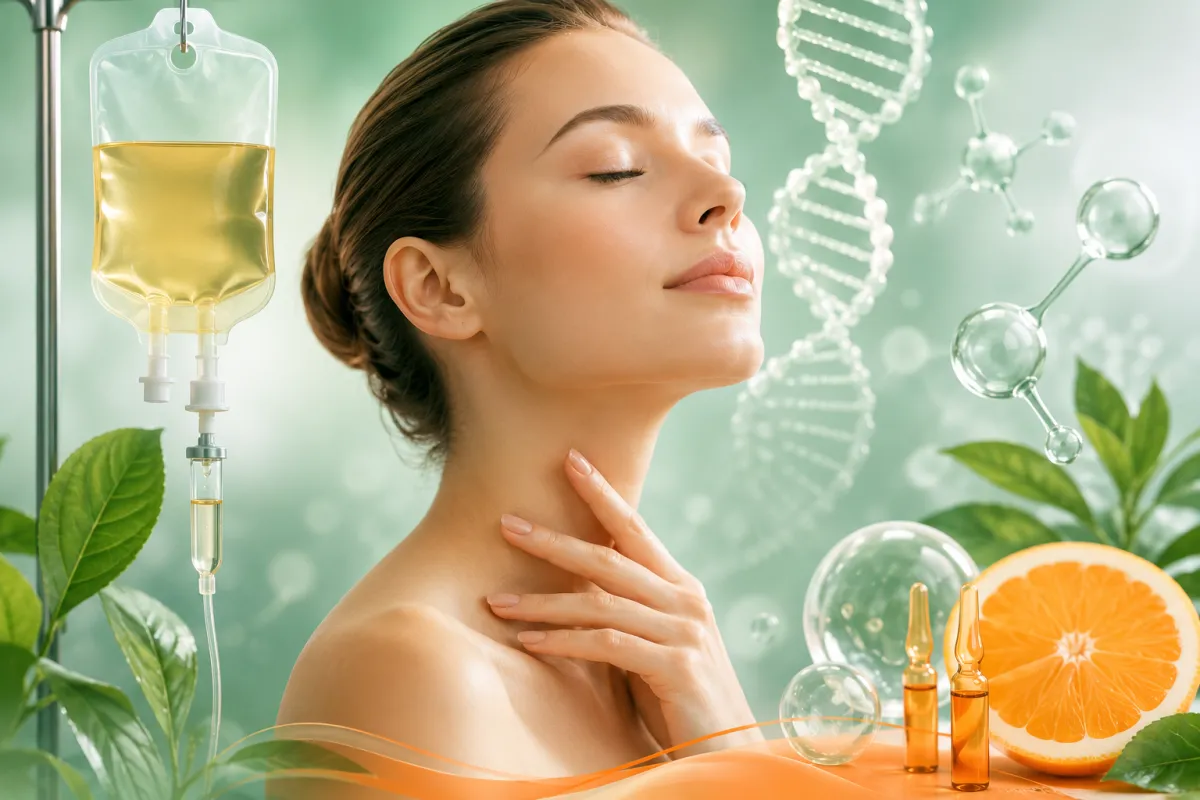
OF PROCAINE
DISCOVER THE SECRETS OF PROCAINE
The Regenerative Therapy Revolutionizing Integrative Medicine
Procaine was developed in 1905 and has been used in medicine for decades due to its safety, low toxicity, and excellent tissue compatibility. However, beyond its well-known anesthetic effects, regenerative and bioregulatory medicine now recognizes Procaine as a synthetic molecule with remarkable potential in anti-aging and cellular regeneration, thanks to its key components: para-aminobenzoic acid (PABA) and diethylaminoethanol (DEAE).
How Does This Scientific Wonder Work?
Procaine exerts its revitalizing effects through the unique combination of its components. On one hand, DEAE and DMAE help improve tissue circulation and stimulate phosphatidylcholine production, an essential component of cellular membranes that contributes to cellular regeneration and renewal.
On the other hand, PABA, a form of vitamin B, plays a crucial role in the formation of healthy cells and proteins essential for metabolism. Its cellular support activity helps maintain optimal conditions for the skin, hair, glands, and intestines. A PABA deficiency may manifest through a variety of symptoms, ranging from constipation and fatigue to digestive issues.
Benefits That Transform Lives
The benefits of Procaine therapy range from firmer, more youthful-looking skin to improved circulation and support for arteriosclerosis. Additionally, clinical studies have demonstrated its potential as an MAO enzyme inhibitor, which may help alleviate symptoms associated with depression and premature aging.
Who Can Benefit from Procaine?
This therapy is suitable for individuals seeking to slow down the aging process and its effects, as well as those looking to improve their physical and mental well-being. It is especially recommended for people dealing with chronic conditions and for athletes aiming to optimize cardiovascular performance and vitality.
Is Procaine Safe?
Intravenous Procaine therapy is considered safe and highly effective when administered by trained professionals in Orthomolecular and Regenerative Medicine.
The Scientific Evidence Behind Procaine Therapy
Since its discovery in 1905, Procaine has been the subject of extensive scientific research. Recent studies, including the work published by Daniela Gradinaru and her team in the journal Oxidative Medicine and Cellular Longevity (2021), have provided new insights into its molecular and cellular effects, highlighting its therapeutic potential in the treatment and prevention of age-related conditions.
In conclusion, Procaine has evolved far beyond its role as a simple anesthetic to become a powerful tool in regenerative and bioregulatory medicine. Thanks to its multiple biological effects and its ability to support cellular repair, balance, and revitalization processes, it is now considered a valuable ally in longevity strategies, wellness optimization, and healthy aging.
At Ozone 369®, we offer an exclusive intravenous formula developed by Dr. Carmen Acevedo, specialist in Orthomolecular Medicine, designed to support cellular regeneration, vitality, and healthy aging.
This innovative blend combines Procaine with strategically selected antioxidants and nutrients to promote cellular repair, improve tissue oxygenation and circulation, support skin elasticity, and enhance overall wellness and energy from the inside out.